
Google Bets on In-House Silicon as the Market Rewards Chain Control
Leaks circulating since mid-March 2026 regarding the Pixel 11 Pro are, on the surface, part of the usual Android rumor cycle: camera specifications, battery capacity, estimated pricing. However, beneath that layer lies a strategic signal that surpasses any megapixel count: Google is ramping up its commitment to in-house silicon at a time when its core business, digital advertising, accounts for nearly 75% of Alphabet's revenue. This tension between who you are today and who you need to be tomorrow cannot be resolved with smaller chips; it requires portfolio decisions that very few companies have the stomach to make.
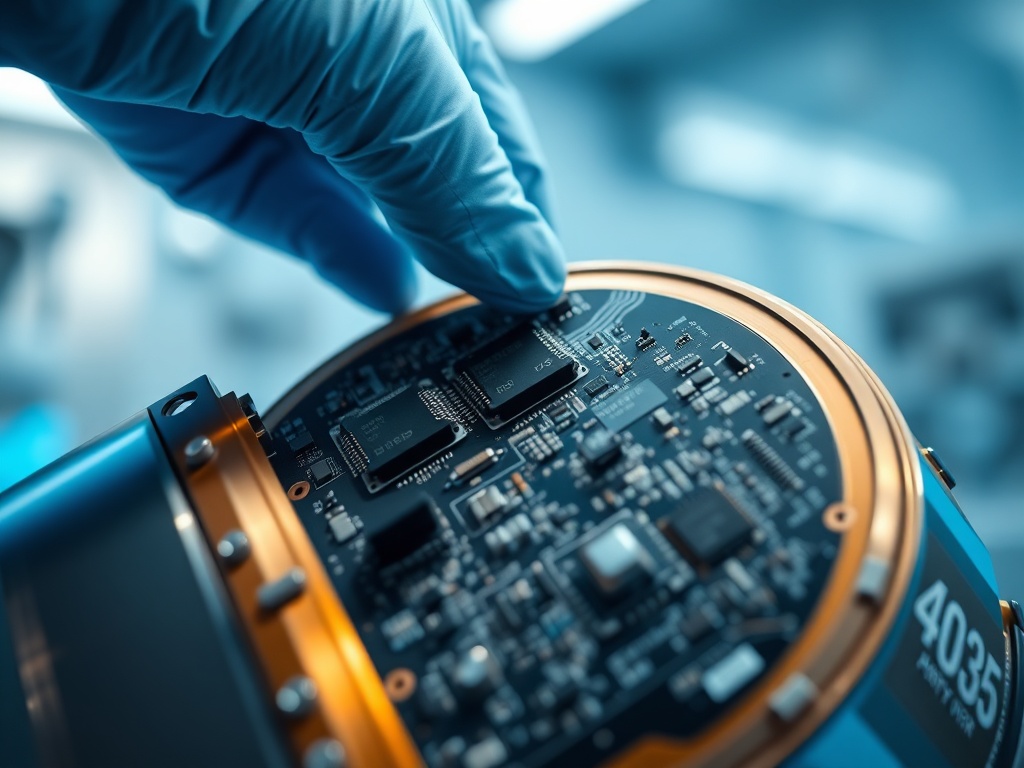
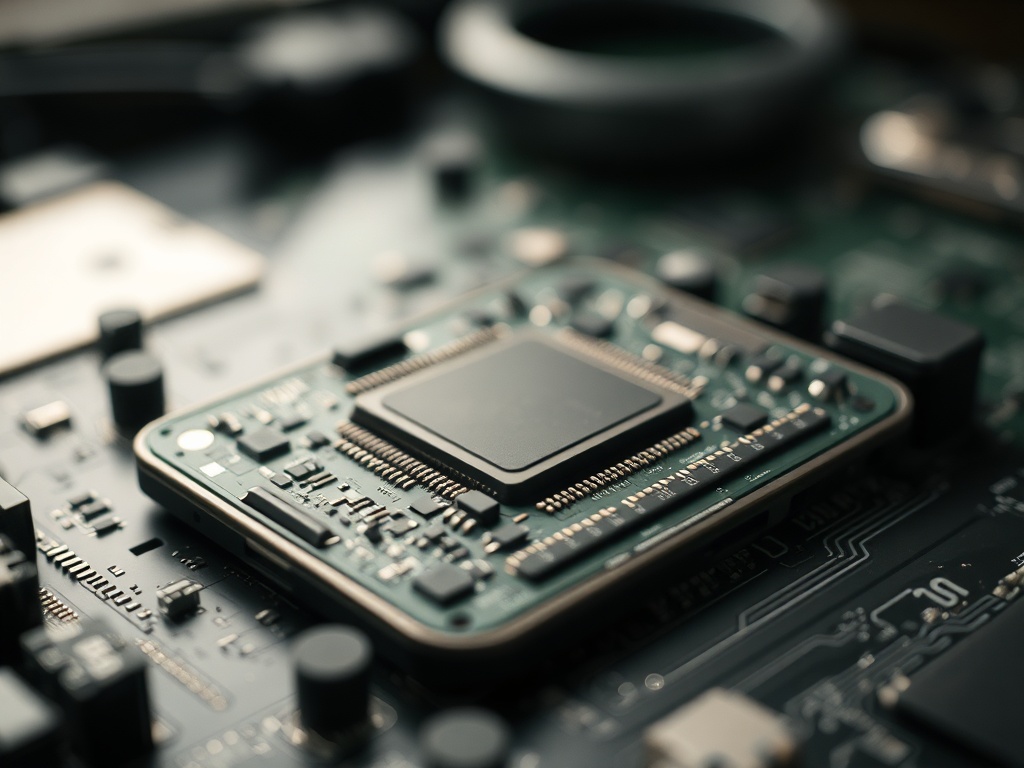
The Tensor G6, manufactured using a 2-nanometer process according to sources consulted by PhoneArena and Smartprix, is not just an energy efficiency upgrade. It marks Google's third or fourth consecutive move in a very specific direction: to stop depending on third parties for the component that defines the user experience. From the Tensor G1 in 2021 to the G6, the company has traversed the journey from 5nm to 2nm in five years—a pace that cannot be solely explained by technological ambition. It stems from the logic of wanting its AI models—in this case, Gemini—to run optimally on hardware that no one else controls.
The Chip as a Burial Ground, Not Just a Feature
When a company designs its own processor, the stated objective typically focuses on performance. The true goal, however, is structural differentiation. Apple demonstrated this with its A-series family and later with the M-series: those who control the silicon dictate the software roadmap, product margins, and over time, the capacity to obsolete competitors without needing their mistakes.
Google has been following this same logic for years, but with a significant operational difference compared to Apple: the Devices & Services segment accounts for about 10% of Alphabet's revenue, whereas advertising continues to be the engine that funds everything else. This means that every dollar invested in the development of the Tensor G6, in building a proprietary hardware chain, and in switching modems from Samsung to MediaTek comes from a pot that does not rely on hardware. It comes from the advertising business.
This isn’t a criticism; it’s a description of the most challenging portfolio mechanics: using the cash flows from a mature and highly profitable business to finance the exploration of one that has yet to reach scale. The risk isn’t in the chip; it lies in treating the hardware unit with the same profitability metrics used for the advertising unit. If Devices & Services is required to deliver the same return on investment as Google Search, the Tensor G6 will never acquire the iteration budget it needs.
Leaks report the base price of the Pixel 11 Pro at $999 with 256 GB of storage. Compared to the $1,299 price of Samsung's Galaxy S25 Ultra, that's a $300 margin Google is willing to forfeit per unit to capture market share in the premium segment. With an estimated 2-3% market share in that segment in the U.S. against Samsung's 30% and Apple’s over 50%, the question isn’t whether the price is right; the question is whether Google has the institutional tolerance to sustain this bet for the five to eight years it takes for a hardware franchise to mature.
The Move to MediaTek and What It Reveals About Internal Governance
One of the most revealing changes in the Pixel 11 Pro isn’t in the 6.31-inch OLED screen or the 16 GB RAM. It’s in the modem: according to PhoneArena, Google is replacing the Samsung modem with one from MediaTek, the M90. This move has three simultaneous interpretations.
The first is technical: improved performance on 5G networks and reduced dependence on a supplier that is also a direct competitor in the smartphone market. The second is geopolitical: diversification of the supply chain in a context where relations between Google and Samsung in the semiconductor segment have displayed frictions. The third—and the most interesting from an organizational standpoint—is that decisions regarding suppliers of this nature are not made by an engineering team in isolation. They involve finance, global supply chain management, and, almost certainly, discussions about which strategic assets Google wants to control over the next ten years.
The fact that this change happened without a formal announcement, leaked through anonymous sources ahead of the launch, suggests that the governance of the hardware unit has enough autonomy to make supplier decisions without needing to go through the usual political cycle of a corporation of Alphabet's size. That’s precisely what should happen when managing an innovation unit: it should be able to move with the agility of a medium-sized company within a large corporate body.
The opposite risk also exists. If that autonomy is not accompanied by its own metrics—such as learning pace, AI feature adoption per active user, retention within the Android ecosystem—and instead is measured by the same gross margin indicators that apply to the cloud or advertising business, the unit will eventually lose budget in the first cost-cutting cycle that Alphabet faces.
Google’s Portfolio Doesn’t Live by Pixel Alone, and That’s Both Its Shield and Its Ceiling
There is a structural irony in Google’s position in the hardware market: the fact that Devices & Services isn’t Alphabet’s primary engine provides leeway to experiment without the immediate threat of a downturn in Pixel sales endangering the company. However, that very condition creates the perverse incentive of not treating the hardware unit with the urgency required to build a consumer franchise capable of competing with Apple over the next twenty years.
Leaks suggest a summer 2026 launch, likely in August, aligning with the annual cycle of Made by Google. Android 17 would be the software base for the Pixel 11, maintaining the early update advantage over the rest of the Android ecosystem. This advantage is genuine in terms of user experience, but its translation to sales volume has historically been limited. Google sells tens of millions of Pixels each year in a market where Samsung sells hundreds of millions. The gap cannot be closed with just a better chip; it requires distribution, consumer branding, and a complementary hardware ecosystem that Google is incrementally building but still lacks the critical mass that Apple has.
The Tensor G6 at 2nm, the 16 GB of RAM, the camera system with Sony sensors, and support for Gemini AI are solid components of a well-executed premium product. What the leaks cannot reveal is whether the organizational structure surrounding it is designed to scale that product beyond the niche technophile market that currently buys Pixels. That organizational design—not the chip—will determine whether Google Hardware remains an exploration line or evolves into a standalone business within Alphabet’s portfolio.
The bet on in-house silicon is technically sound and strategically necessary. Its long-term viability hinges on Alphabet managing it with the metrics and autonomy of a long-term investment, without demanding returns by 2027 that only make sense to ask for in 2032.