
When the Mileage Program Stops Being a Reward and Becomes a Toll
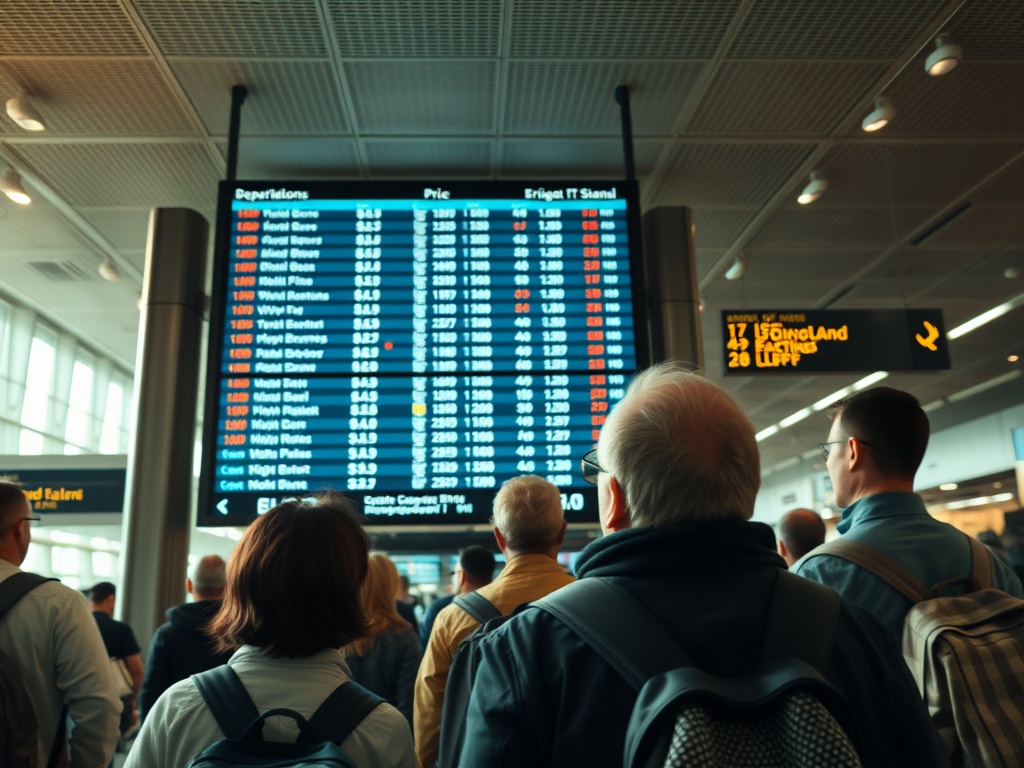
There is a specific moment in the relationship between a brand and its customer when the perceived benefit flips. Before this point, the customer feels cared for by the company. After, they feel managed. The major U.S. airlines—Delta, United, and American—have just crossed that line in different ways, but with the same underlying logic: turning the mileage program into a mechanism that rewards owning their co-branded credit card more than flying.
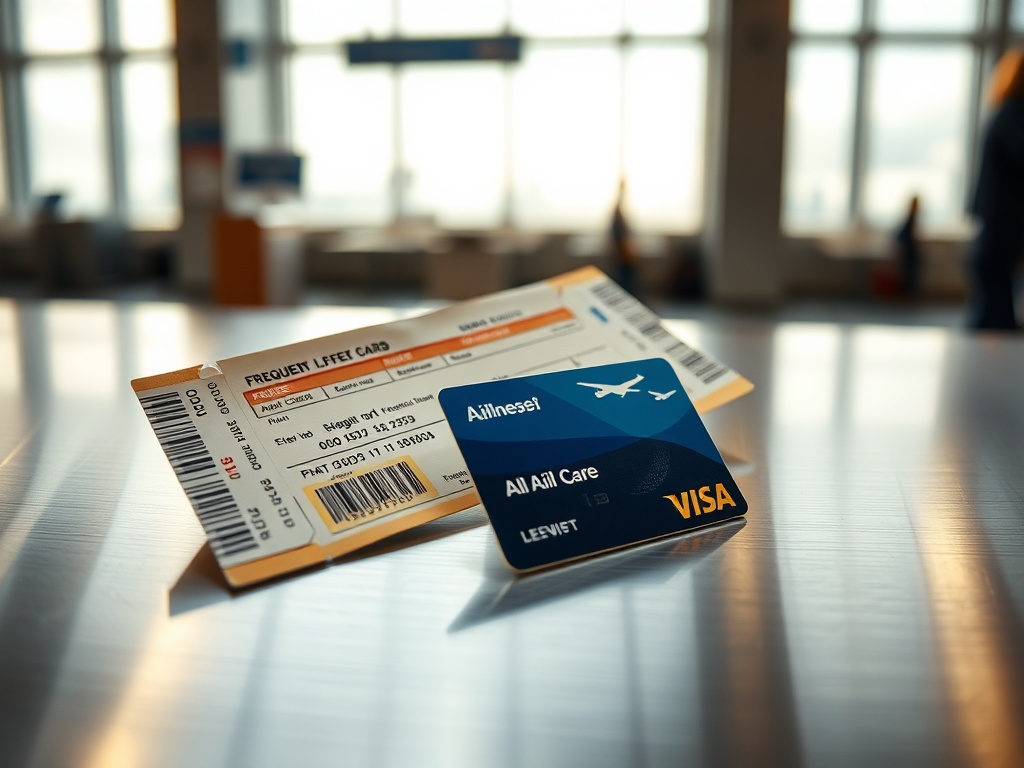
The most eloquent case is that of United Airlines. Starting April 2, 2026, any passenger who buys a ticket without a United co-branded credit card will see their base mileage accumulation lowered from 5 miles to 3 miles per dollar spent. And if they purchase an Economy Basic fare without being an elite member or having the card, they will accumulate zero miles. Not less. Zero. This is not a technical adjustment in the benefits sheet: it is a high-intensity behavioral signal. The airline is leveraging loss, not gain. In consumer behavior terms, loss weighs about twice as much as an equivalent gain in the human mind.
Delta appears to have chosen the opposite path. It does not penalize those without a card, but it does pile on exclusive benefits for cardholders: boosts in the points needed to qualify for Medallion status, companion certificates, statement credits. Access to the program remains intact for everyone, but the experience within it begins to divide into two speeds. American, on the other hand, has been building a system for several years where spending on the credit card directly becomes Loyalty Points, which are the same points that determine your elite status. With changes that took effect March 1, 2026, they adjusted the reward thresholds and expanded redemption options, but the central mechanism remains: you can reach Gold status with 40,000 points without hardly stepping on a plane, as long as you spend enough on the card.
Three distinct models, three types of psychological pressure, one financial goal: to make revenue from interchange fees and agreements with card issuers more predictable and profitable than revenue from seats sold.
What the Consumer Feels Before Reading the Fine Print
The problem with these strategies is not their financial logic, which is sound. The problem is what they generate in the head of the frequent traveler before they open any PDF with terms.
Let’s consider the most common profile: someone who travels between eight and twelve times a year for work, has been accumulating miles for years, and feels that this accumulation is a kind of informal contract with their airline. Not a legal contract, but a psychological one. One based on reciprocity: I give you my flight loyalty, you give me access to benefits that others don’t have. When United announces that this contract is changing—that now you earn 40% less for the same ticket if you don’t have their card—the emotional impact is not proportional to the mathematical change. It is exponentially greater, because what the consumer registers is not a reduction in miles, but a degradation of status. And the degradation of status triggers a visceral response that no subsequent marketing campaign can easily neutralize.
Here is where the behavioral design of these airlines shows its seams. The traveler who receives this news does not process the information as an optimization variable. They process it as betrayal. Their years-long habit—accumulating miles simply by flying—now faces new friction: they have to incorporate a credit card into their financial life, evaluate its annual fee, compare its value proposition against other market options, and decide whether the differential in benefits justifies that adoption. That is a significant cognitive load for someone who simply wanted to keep doing what they already did.
Inertia is the most underestimated force in business strategy. Not because consumers are irrational, but because the human brain assigns a real cost to change, even when that change is objectively beneficial. The airline assumes that the traveler will calculate the mileage differential, conclude the card is worthwhile, and register for it. Some will. But a significant fraction will simply feel discomfort and start looking at alternative options without any rational analysis taking place. That is the friction that no incentive program can buy back once it has set in.
The Asymmetry Between Acquiring Customers and Losing Their Trust
Behind this reconfiguration is a comprehensible financial bet. Airlines operate on narrow margins on tickets, especially on Basic Economy fares, which directly compete with low-cost carriers. Revenue from credit card interchange and agreements with issuers like Citi—which launched the Citi/AAdvantage Globe Mastercard with a $350 annual fee—represent more predictable cash flows and greater relative margins. It makes sense that they want to protect and expand these.
But the operational question is not whether the model is profitable on paper. It is whether the chosen mechanism for driving it destroys more trust than it generates incremental income. And here, behavioral evidence suggests that United's model—actively penalizing non-cardholders—carries a risk of brand erosion that Delta's model—enriching the experience of cardholders without degrading that of others—manages more efficiently.
Delta understands something that United seems willing to sacrifice: the perception of fairness in treatment is an intangible asset with very tangible consequences for retention. When a customer feels the program punishes them for not having a card, the psychological response is not, “I will get the card.” It is often, “I will evaluate whether this airline is still my first option.” And on routes where competition is real, that reevaluation has a customer acquisition cost for the airline that rarely appears in the projections of the partnership model with the bank.
American, with its integrated Loyalty Points system tied to card spending, plays a different game: it does not degrade the flight experience, but builds a shortcut to elite status for high spenders. That generates less perceptual friction because the implicit message is not “we take something away from you,” but “we give you a new route.” The psychological difference between these two narratives is the difference between a customer feeling they are moving forward and one feeling they are moving backward.
The Mistake Leaders Repeat When Designing Loyalty
The trend illustrated by these three airlines is not exclusive to the airline industry. It is a recurring pattern in any sector where loyalty programs mature to become revenue centers in their own right: the company begins optimizing the program for its own margins instead of optimizing it for the customer experience it is supposed to retain.
The result is a program that shines on the financial model and generates friction in the real life of the user. And there lies the underlying mistake any leader should audit in their own operation: investing capital to make the program's benefits look more attractive on paper while adding layers of conditions that the customer must overcome to access them is the exact opposite of reducing purchase resistance.
A functioning loyalty program is not one that offers more miles on the prospectus. It is one that eliminates the most reasons for not participating. The airline that understands this distinction ahead of its competitors will not need to use penalties as a mechanism for acquiring cardholders. Its own customers will arrive at the card because the path to it will be clear of friction, not blocked by it.
Leaders designing these programs have all the financial analysis in the world to justify every change. What they often lack is a model that measures the cost of eroded trust. And that cost does not appear in the quarter when the change is announced. It appears in the second year, when retention rates begin to tell the real story that card acquisition indicators have hidden.