
The Most Profitable Event Is Not Organized by Anyone
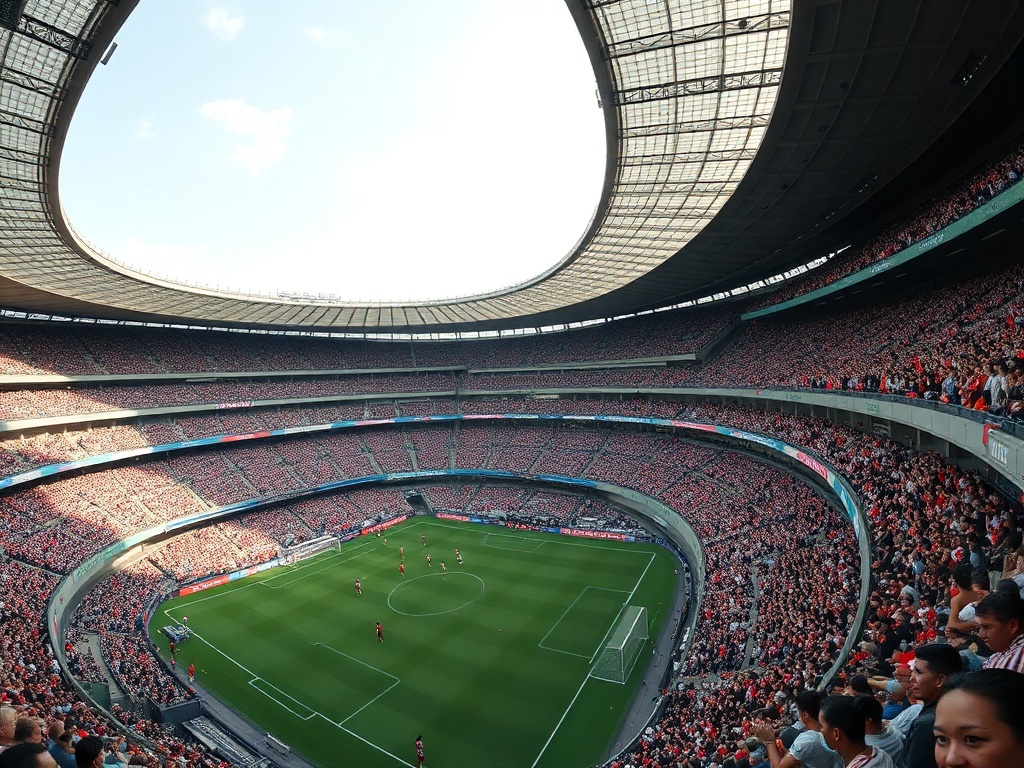
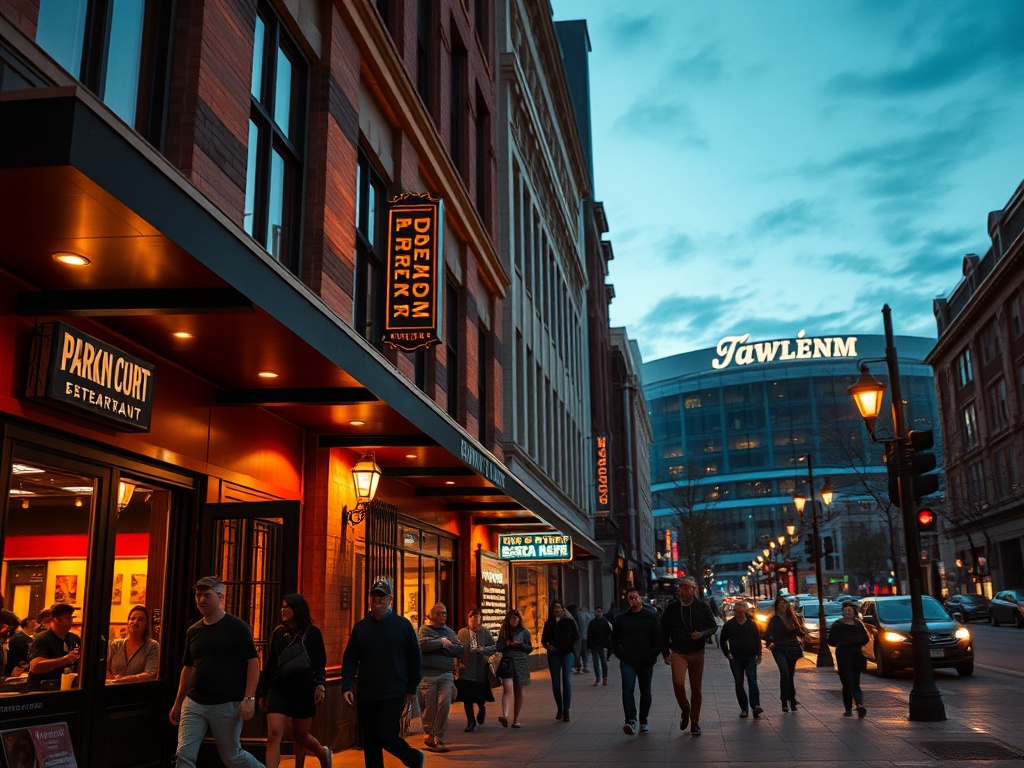
From March 13 to 19, 2026, downtown Sacramento transforms into a traffic-generating powerhouse that no local business could afford to purchase independently. State championships for college basketball, three NBA matches against the Jazz, Spurs, and 76ers, along with two concerts — Nine Inch Nails and Conan Gray — with tickets starting at $81, which are already scarce. Seven events in seven days. Over 17,600 seats are filled each night at the Golden 1 Center, a venue that has anchored the revitalization of a downtown that had been searching for its center of gravity for decades.
What happens outside the stadium is, in my view, the most interesting story. It’s not about the arena, but about the commercial ecosystem surrounding it. Every restaurant, bar, and retail store within walking distance is receiving an unrequested donation that they don’t have to pay back: a flow of people with money in their pockets, real hunger, and time before or after the event. The question is not whether this flow exists. The question is how much value each business captures from it and why most let it slip away.
The Difference Between a Passive and Proactive Business
Two business models are operating in the same geographical area during this week. The first is reactive: they open their doors as usual, wait for people to come in, and if they do, great. The second audits the calendar weeks in advance, adjusts its menu, reinforces shifts, designs specific promotions for the families of students coming to the CIF championships on March 13 and 14, and another for the audience of Nine Inch Nails on Monday, the 16th, which has a completely different spending profile.
This difference is not about attitude or "entrepreneurial spirit." It’s about operational architecture. The business that prepares turns a fixed cost — the rent for a downtown location, paid regardless of whether there’s an event or not — into a productive asset during the seven busiest traffic days of the quarter. They are transforming their cost structure into a competitive advantage without spending an additional dollar on infrastructure.
Tuesday, March 17, becomes particularly revealing as a case study. The Spurs visit Sacramento for what the Golden 1 Center has labeled Go Green Night, sponsored by Recology, the local waste management company. An NBA game with an explicit environmental storyline. For a downtown restaurant or bar serving a plant-based menu, operating with compostable packaging, or measuring its carbon footprint, that Tuesday presents an opportunity to align their narrative with an audience already predisposed to that message. I’m not talking about marketing values or brand purpose in the abstract. I’m talking about audience alignment that has measurable economic value in additional covers and a higher average ticket.
Why Cultural Events Reveal the Maturity of a Business Model
What happens in Sacramento this week illustrates a pattern I see repeating in medium-sized cities worldwide: the economic value of a major sports or cultural event doesn’t stay confined to the venue. It spills over. But that spillover is neither democratic nor automatic. It is captured by businesses that can read the environment and adjust their operations nimbly, and lost by those that operate with a "we just open and serve" logic.
On Thursday, March 19, the game against the 76ers features a performance by BombayMami, a Bollywood artist. The Golden 1 Center actively calls out to the Indian community of Sacramento and its metropolitan area. That demographic segment has a specific spending profile, identifiable gastronomic preferences, and, according to all available attendance indicators, will arrive in groups. A business that has this on its radar two weeks in advance has a real window of preparation. Those unaware simply won’t be in the equation when that audience decides where to dine after the game.
This is where the sustainability of a local business ceases to be an abstract concept and becomes operational and measurable. A Sacramento downtown business that survives without relying on municipal subsidies or publicly funded revitalization programs is, by definition, a sustainable business. The week of March 13 to 19 is precisely the type of opportunity that either solidifies that financial independence or passes without leaving a trace because no one in the operation had the foresight to anticipate it.
There’s another angle I don’t want to overlook. The complete calendar of the Golden 1 Center for 2026 shows a programming designed deliberately to diversify audiences: acts of Latin trap, alternative pop, hard rock, religious events, Bollywood, WWE, and collegiate finals. This is not an editorial oversight by the venue; it’s a maximum occupancy strategy that turns the arena into a traffic generator at a frequency that no individual business could maintain on its own. In that sense, the venue’s model functions as shared value infrastructure that indirectly subsidizes the viability of local commerce, even though no balance sheet records it that way.
The real risk is not that the events will fail. The risk is that local businesses haven’t built the internal capacity to read that calendar for what it is: their most predictable quarterly sales plan and lowest customer acquisition cost available in the market.
The Calendar is the Most Underutilized Asset of Downtown
Sacramento has something that few cities its size can claim: a traffic engine funded by others, operating with almost industrial regularity. The events calendar is not a piece of general interest for local press. It’s the most valuable strategic document any business owner in the ten-block radius around the arena possesses.
The week of March 13 to 19 is not an anomaly. It’s the concentrated expression of a model that has been built for a decade. And after the 19th, the flow doesn’t stop: NCAA Regionals arrive on March 27, the Clippers on April 5, the Warriors on April 10, and WWE on April 13. Each brings its audience, spending profile, arrival time, and average duration of stay in the area.
The executive direction of any business in downtown Sacramento has a concrete task at hand: to decide whether their company uses that flow of people as the fuel that finances their autonomous growth or continues to operate as if the neighborhood were the same every Tuesday of the year.