
BYD Charges an Electric Car in 12 Minutes and Rewrites the Fear Economy
There’s a notable distinction between solving a technical problem and addressing the issue perceived by the customer. BYD has just demonstrated that it understands this difference better than most.
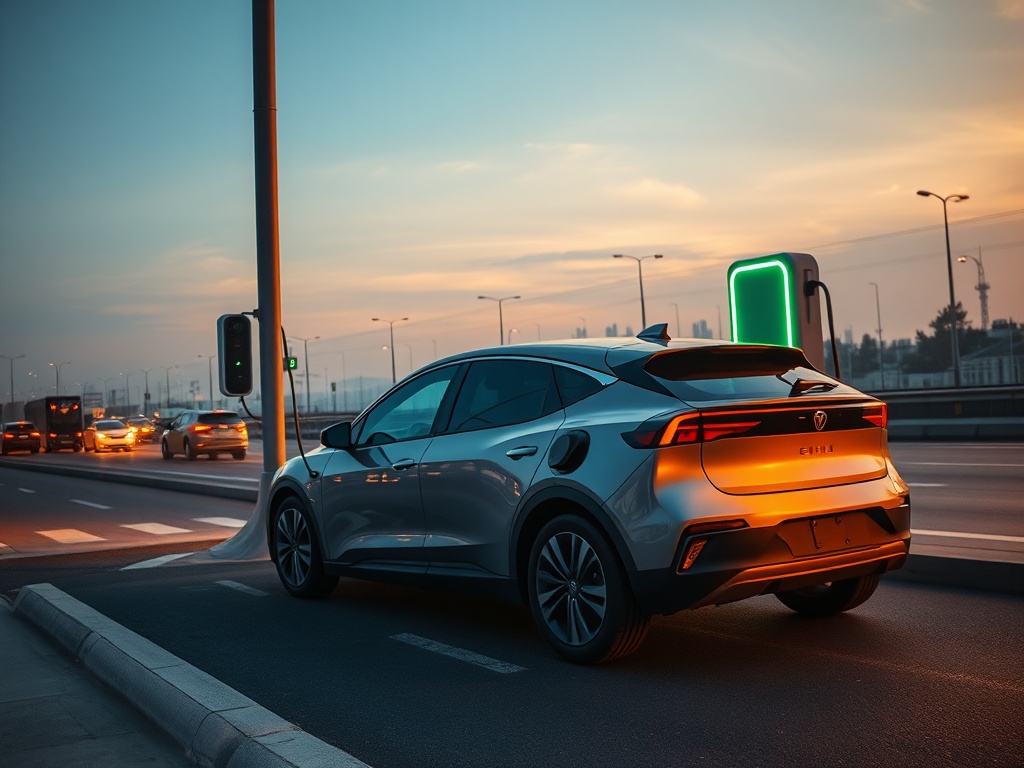
At the Shenzhen Universiade Sports Centre, the company unveiled its second-generation Blade Battery along with a charging network capable of delivering 1,500 kilowatts per charger—the highest power level in mass-produced equipment globally. The operational result is clear: a compatible vehicle can charge from 10% to 97% in just nine minutes. Even at -30°C, this process takes only twelve minutes starting from 20%. Wang Chuanfu, the company president, stated strategically: if the industry fails to solve the speed and reliability of charging, wide-scale adoption of electric vehicles will remain a half-finished project.
That assertion, seemingly obvious in hindsight, took decades to materialize as an engineering priority.
The Problem the Industry Confused with a Battery Issue
For years, the debate around the adoption of electric vehicles revolved around range—more kilometers per charge, with ranges of 500 or 600 kilometers and energy density. While this analysis framework was reasonable, it was ultimately incomplete, as it conflated the symptom with the diagnosis.
A consumer hesitant about an electric vehicle isn’t calculating kilometers; they are assessing lost time and uncertain situations. The real question they ask isn’t "Will I make it?" but rather "What do I do if I don’t make it? How long do I wait, and under what conditions?" This represents an emotional and logistical friction, not a material engineering friction.
The second generation of the Blade Battery improves energy density by 5% compared to the previous version, enabling ranges of over 1,000 kilometers under the Chinese CLTC testing cycle—equivalent to over 640 kilometers under EPA conditions, including historical adjustments for that cycle. Yet the figure that alters the adoption equation isn’t the maximum range—it’s the nine minutes. Because nine minutes is a charging time that falls within the tolerance threshold of a driver accustomed to filling up with gasoline. It eliminates the mental category of "waiting" and converts it into "stopping."
That’s what BYD is selling. Not batteries. Not infrastructure. The removal of an anxiety category that has defined the electric vehicle ownership experience until now.
The Infrastructure Move That Competitors Can’t Easily Replicate
The technical announcement is significant, but the structural play lies elsewhere.
BYD already boasts over 4,200 charging stations installed in China and plans to reach 20,000 by year's end, including 2,000 on highways with an average distance of 100 kilometers between points. The urban coverage plan is even more aggressive: stations will be located within 3 kilometers in major cities and 5 kilometers in medium-sized cities. This is not just infrastructure marketing; it’s creating network dependency.
The dynamic this creates is akin to what made Tesla’s Superchargers a competitive asset in North America for years but amplified by a scale that no Western competitor can match in the short term. When a Chinese consumer buys a vehicle compatible with BYD’s Super E platform—which operates at 1,000 volts—they're purchasing not just a car, but guaranteed access to charging times of under ten minutes in a network covering 90% of urban areas within 5 kilometers.
In Europe, where the fastest public chargers currently operate at 400 kilowatts, BYD plans to install between 200 and 300 1,000-kilowatt chargers starting in 2026, using the standard CCS connector. For the Denza Han L and Tang L models, this infrastructure would allow drivers to add nearly 400 kilometers of range in just five minutes—more than double what the most powerful European public charger currently provides. The European operation starts limited to vehicles from the premium Denza brand, but the pattern remains the same: first the network, then the volume.
What makes this financially relevant is vertical integration. BYD designs the cells, batteries, vehicles, and charging stations within the same system. This integration reduces development and coordination costs between components in a way that a manufacturer dependent on external suppliers cannot replicate without significant investments in time and capital. The stations include their own energy storage systems to offset the limitations of the electrical grid, eliminating one of the most common bottlenecks in the deployment of ultra-rapid charging.
What Twelve Minutes Reveal About Scaling a Category
The history of the adoption of technological categories follows a recurring pattern: growth stalls not due to a lack of product, but because of peripheral frictions that the main product fails to address. Electric vehicles have offered an acceptable main product for years, but what has been lacking is the elimination of the friction of waiting time and uncertainty regarding charging availability under adverse conditions.
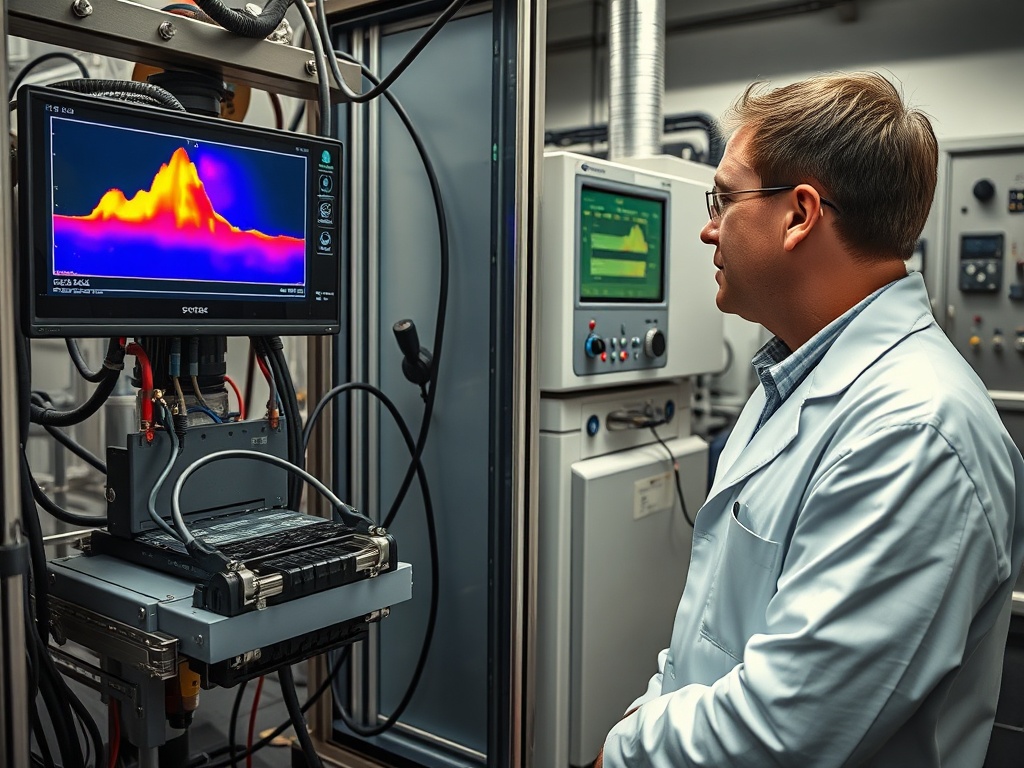
The simultaneous load test with nail penetration—one of the most demanding safety scenarios for lithium-ion batteries—showing no ignition or smoke is an operational data point that speaks directly to this second component: perceived reliability. A consumer who fears that the battery might pose a risk under extreme conditions will not buy, regardless of charging times. BYD is simultaneously closing both objections.
The real risk of this model doesn’t lie in the technology but in the execution at scale and the gap between lab conditions and everyday use. Historical Chinese testing cycles are typically 20% to 25% more optimistic than EPA cycles. This indicates that the 1,000 kilometers of range in CLTC conditions will likely translate to 640 to 750 kilometers in real-world European or North American conditions. It remains a competitive figure, but communication to the external market will need to handle it carefully to avoid creating expectations that everyday experiences might not confirm.
What cannot be statistically corrected are those nine minutes. That detail closes the argument.
The Work That Electric Vehicle Buyers Have Been Trying to Hire for Years
The BYD model demonstrates that the work an electric vehicle buyer has been trying to hire for years wasn’t extended range or cutting-edge technology: it was regaining control over their time and eliminating logistical uncertainty while traveling long distances. Every advance in battery density that did not address the recharge time was, from the consumer's perspective, a half measure. Nine minutes of full charge, backed by a predictably covered network, is the first offer in the category that answers that question without asterisks.