
Why Tostitos Painted Corn on Their Bags and Reclaimed Lost Trust
A disconcerting statistic should keep any marketing director of an established brand awake at night: 42% of consumers did not know that Lay's potato chips were made from potatoes. This is not a minor communication error; it reflects a systemic disconnect between what a company thinks it conveys and what the consumer actually processes when they hold the product in their hands for three seconds in front of a shelf.
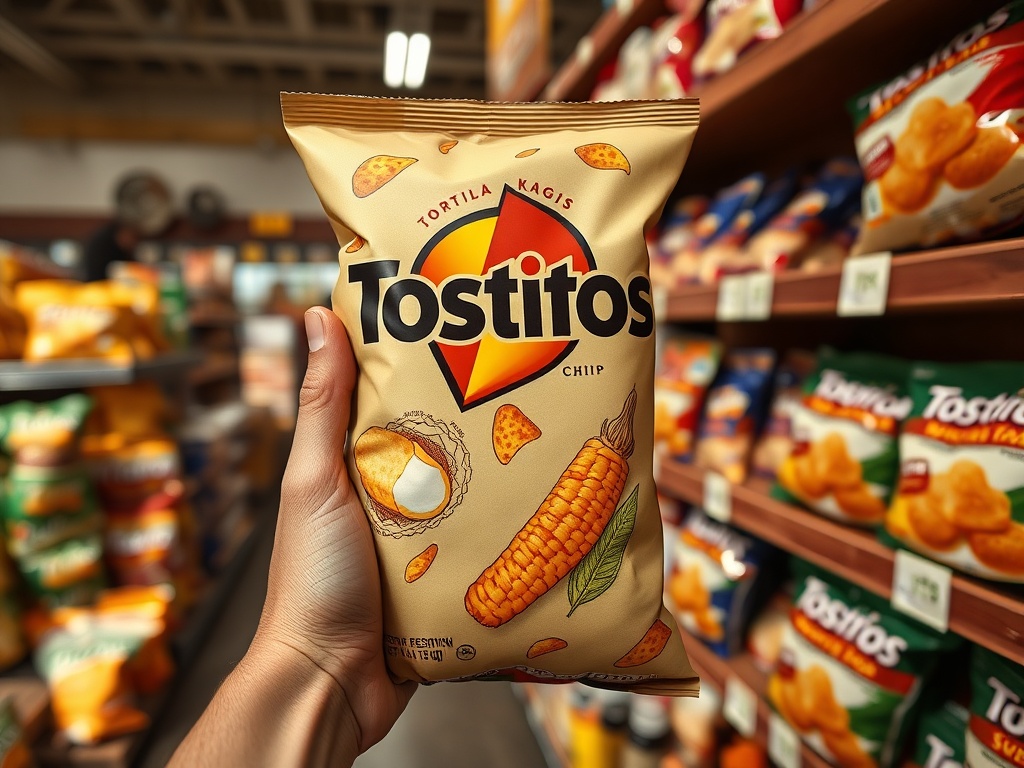
PepsiCo understood this late but grasped it well. They are now applying the same corrective measures to Tostitos, the world’s best-selling tortilla chips, whose packaging has been completely redesigned with logic that goes far beyond aesthetics.
The Problem Wasn’t the Product, It Was the Established Perception
Tostitos boasts an ingredient list that any artisanal brand would envy: corn, oil, and salt. Three components. Yet for years, their bags proclaimed "no artificial flavors, no colors, no preservatives, " a defensive language that, although technically accurate, prompts the consumer to ask the question they'd prefer not to: "Why do you need to clarify that?"
PepsiCo’s CMO, Hernán Tantardini, was blunt in describing the internal finding: research showed that the previous packaging wasn’t failing due to omission; it was reinforcing incorrect perceptions. Tostitos was perceived as a party brand, functional and loud, with no craftsmanship or story behind it. The quality of the production process, including nixtamalization—an ancient Mexican technique that treats corn with lime to make it more nutritious and digestible—was completely invisible to the average buyer.
Here’s the crux of the issue from a consumer behavior perspective: when quality perception is damaged, lowering the price doesn’t solve anything. PepsiCo raised prices in 2022 and 2023, and Tostitos lost market share to smaller brands that were able to build a narrative of authenticity. The consumer didn't leave because the bag cost more. They left because the bag next to it told a more compelling story about what was inside.
What an Illustration Can Do That a Photograph Cannot
The most interesting technical detail of the redesign isn’t the color or typography. It’s the decision to use illustration instead of photography to represent the corn.
For Lay’s, PepsiCo photographed real potatoes in multiple displays. The logic was straightforward: show the raw ingredient as tangible evidence. With Tostitos, that same approach was evaluated and discarded. Tantardini explained that photography "felt too polished, too literal" and would have "flattened something that is actually quite alive."
This decision is not just aesthetic; it’s psychological. A hyper-realistic photograph of corn on a tortilla chip bag activates skepticism, as contemporary consumers have been conditioned by decades of advertising where products appear perfect in packaging yet differ in reality. The illustration, with its imperfect strokes and hand-painted appearance, does something that a photo cannot: it conveys human intention. The human eye reads warmth where it sees controlled imperfection. It registers craftsmanship where it sees a hand, even if it's represented.
This ties directly to nixtamalization as a narrative concept. It’s not just a chemical process; it's a cultural argument. Anchoring Tostitos in that tradition gives the brand something that no discount campaign can buy: a sense of belonging to a story longer than itself. A consumer who understands, even vaguely, that there is a centuries-old process behind that tortilla isn’t just buying a snack. They are participating in something bigger.
The color palette followed the same logic. Technically similar to the previous one, but recalibrated toward warmer and earthier tones. This isn’t a change that consumers will verbalize, but one they will process. Earth tones reduce cognitive friction because the brain instinctively associates them with what is unprocessed, with something coming from a physical, recognizable place.
The Packaging as the First Sales Argument
71% of consumers read labels more attentively than five years ago. This number should change how marketing teams think about the front of a bag. The front is no longer advertising; it’s the prelude to a trust contract.
What Tostitos did by moving the promise of "masa made the traditional way" to the forefront, relegating negative certifications to the background, was an information architecture decision with very concrete behavioral consequences. A consumer who first reads "no artificial ingredients" processes the brand as a product that has to justify itself. A consumer who first reads "made the traditional way" processes a statement of identity. The sequence matters more than the content itself.
There’s another detail that reveals executive sophistication: the transparent window of the bag, which previously showed Tostitos salsa as a cross-selling piece, now immerses the chips directly in a bowl of salsa or guacamole. It’s a small change in terms of graphic surface, but huge in what it communicates. The chip is no longer next to the accompaniment as separate products. It’s inside. The consumption experience is visually integrated before the buyer opens the bag.
This matters because brands that lose market share to artisanal competitors don’t do so because of price or objective quality. They lose it because the smaller competitor built a mental image of the complete experience, and the larger brand was only showing the product. With this redesign, Tostitos starts showing the moment.
The Capital That Burns When Only Betting on Product Shine
The lesson emerging from this move by PepsiCo lies not in the graphic design or the decision to illustrate the corn. It’s in the honesty with which Tantardini describes the starting point: the company had to be "very honest with itself" before it could act. This implies that for a time, the responsible teams were investing in reinforcing an identity that the market had already stopped believing in.
That happens more frequently than quarterly reports tend to acknowledge. Organizations accumulate years of investment in making their products shine with more technology, more variants, more certifications, more visual noise, while the distance between the promise and consumer perception silently widens. The consumer doesn't complain. They simply choose another bag next time.
Leaders who focus all their capital on making the product shinier, more awarded, or more visible, without coldly auditing the barriers that prevent consumers from believing in them, are investing in the wrong direction. Trust isn’t built by adding layers. It’s built by removing reasons to doubt.