
Urban Shade: An Underutilized Asset
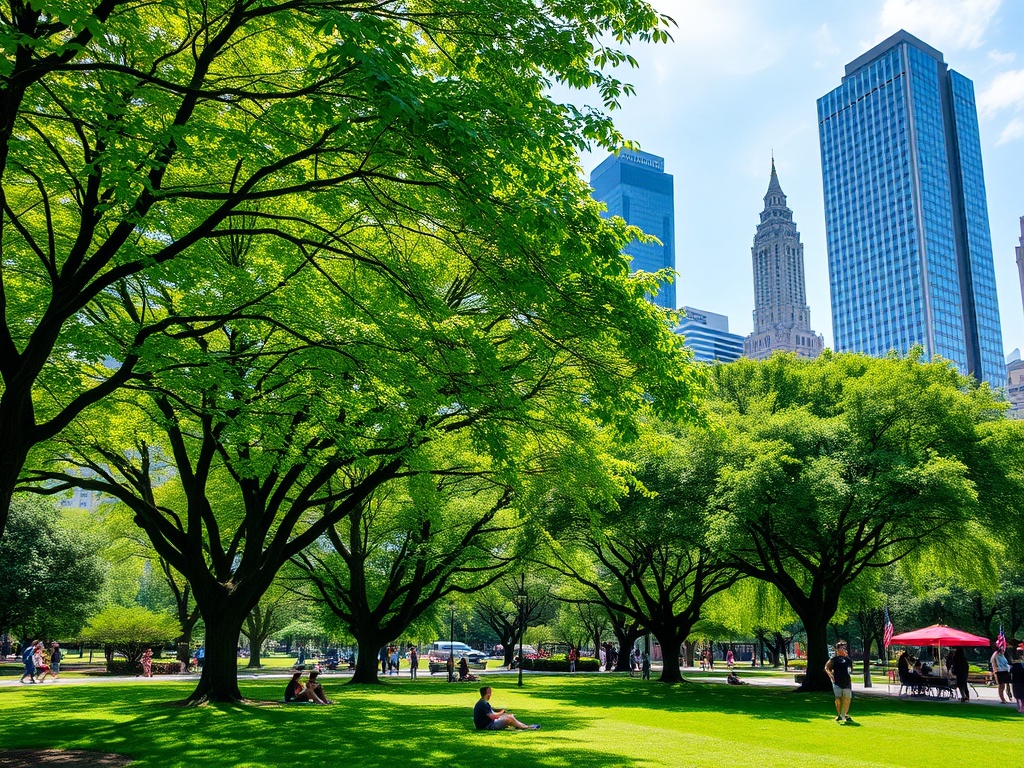
Recent research from MIT reveals an alarming disparity in urban shade levels, exacerbating the heat island effect in major cities. This phenomenon is not merely an environmental issue; it is a strategic challenge that directly impacts quality of life and sustainability in urban areas. The lack of shade not only raises temperatures but also affects public health and local economies by increasing energy consumption.
The unequal distribution of trees in cities is a clear manifestation of structural inequity. Wealthier urban areas tend to have greater tree coverage, while less affluent zones are left exposed to extreme temperatures. Here, the challenge is not just to plant more trees but to do so strategically where they are most needed.
Economic Impact of Urban Shade
Shade is not just an aesthetic luxury; it represents a tangible economic asset. Cities with adequate tree coverage see significant reductions in energy consumption, as trees help cool the environment naturally. Furthermore, the presence of trees increases property values and attracts businesses, creating a virtuous cycle of investment and sustainable development.
For business leaders, investing in green infrastructure is not only a matter of corporate social responsibility; it's an economically savvy decision. Companies that integrate sustainability into their business models are better positioned to face market disruptions and the growing demands of conscious consumers.
Homogeneity as a Barrier in Urban Planning
In-depth analysis reveals that a lack of diversity in urban planning teams may be a key factor behind the unequal distribution of green resources. Homogeneous teams tend to share the same blind spots, resulting in biased decisions that do not consider the needs of all communities.
It is crucial to integrate diverse teams into urban planning to ensure solutions are inclusive and effective. Diversity of thought and background is not just a noble ideal; it is a strategic tool for understanding and addressing the complexities of modern cities.
Horizontal Networks for Inclusive Sustainability
The traditional approach to urban planning has been vertical, with centralized decisions that do not always reflect local realities. However, horizontal collaboration networks can offer a more resilient solution. By empowering local communities and fostering active participation in decision-making, a strong social capital is built that can better withstand environmental and economic challenges.
This decentralized model not only promotes equity but also fosters innovation by leveraging the collective intelligence of the community. Cities that adopt this approach are better equipped to adapt to changes and thrive in the long term.
A Call to Action for Corporate Leadership
Business leaders must recognize the potential of urban shade as an essential component of corporate sustainability. By integrating green infrastructure into their strategies, companies not only contribute to social well-being but also strengthen their position in an increasingly aware market.
At their next board meeting, leaders should consider who is at the table and recognize that if everyone shares the same perspectives, they also share the same blind spots. Diversity is not just a matter of social justice; it is a strategic necessity to avoid becoming victims of disruption.