
# A Sustainable Turn in the Chemical Industry
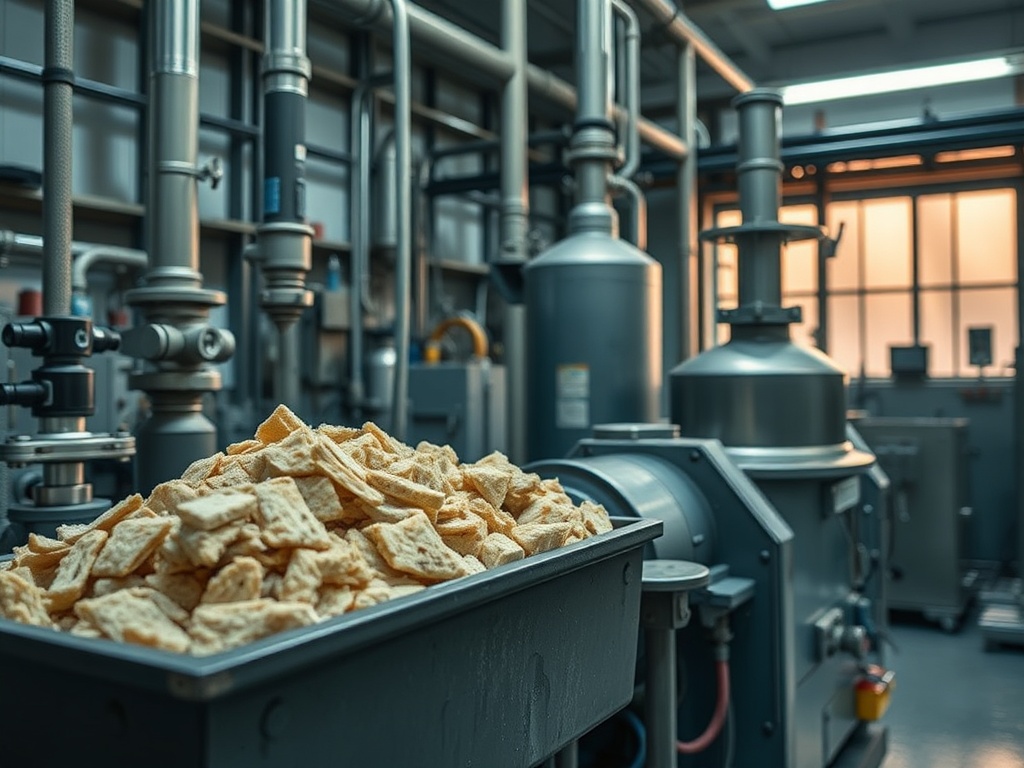
In a world where sustainability has become more than just a trend, a revolutionary method has been developed to utilize waste bread as a replacement for fossil fuels in chemical manufacturing. This approach promises not only to reduce food waste but also to minimize the carbon footprint of a sector that has historically depended on non-renewable resources. The innovation centers on a one-pot hydrogenation process that converts bread into a viable energy source.
Research conducted by a team of scientists indicates that this alternative is not only environmentally friendly but also economically viable. By repurposing a waste product, value is created where there was none before, turning an environmental problem into a business opportunity.
The Economic Value of Bread as Fuel
The traditional model of the chemical industry has been criticized for its reliance on fossil fuels. Integrating waste bread as an energy source represents a paradigm shift. This approach not only cuts operating costs by utilizing an abundant and inexpensive resource but also ensures a competitive advantage by aligning with the growing demands for sustainability.
The key lies in transforming a cost (food waste) into a revenue source. Companies that adopt this technology may enhance their profit margins by reducing the need for costly and volatile fossil fuels. Furthermore, they position themselves as leaders in corporate responsibility, which is increasingly valued by consumers and investors alike.
Beyond Greenwashing: A Genuine Commitment
It's crucial to assess whether this innovation is a genuine commitment to sustainability or merely a green marketing strategy. The difference lies in how this method is integrated into the core business model of chemical companies. If implemented comprehensively, it could redefine the supply chain by creating shared value for all stakeholders.
However, the true measure of success will be the ability of these companies to maintain profitability while adopting sustainable practices. This involves transforming fixed costs into variable ones, allowing for greater financial flexibility during economic crises.
The Future of the Chemical Industry is Circular
This technological advancement paves the way for a circular economy within the chemical industry. By reusing resources that would otherwise go to waste, a cycle is created that benefits both the environment and the economy. Companies that lead this change will not only contribute to a healthier planet but also secure their relevance and long-term success.
For business leaders, the lesson is clear: sustainability is not just an ethical responsibility but an essential business strategy. The strategic boldness lies in using money as a means to uplift people and the environment, not as an end in itself. This business model is not only possible but necessary.
Companies must evaluate whether they are exploiting people and the environment merely to generate profit or if they have the strategic audacity to use money as fuel to uplift others.