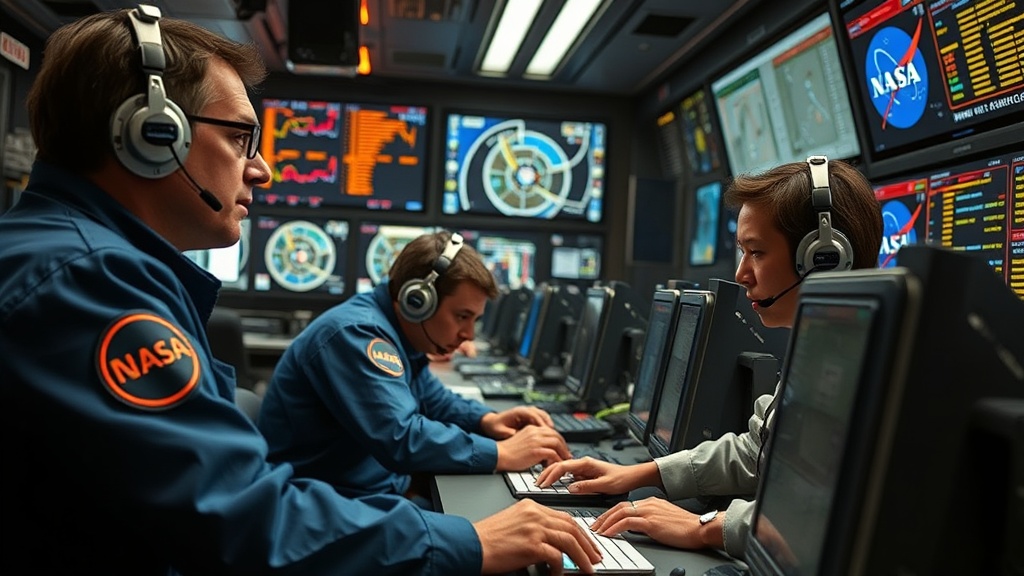

The recent issue with NASA's Artemis rocket, stemming from a helium supply interruption, offers a fascinating lens to understand how strategy and logistics can be just as critical as technology itself. The mission, aimed at returning humans to the Moon, now faces a potential delay. What can we take away from this situation?
The technical challenge is only a small part of a much larger picture. The decision to postpone the mission to rectify the helium flow stands as a testament to prudence. However, it also serves as a reminder of how strategic decisions must integrate every link of the process, from planning to execution. The lesson lies in the strength of the system: the interdependence of each component and how a single failure can jeopardize the entire project.
The logistics behind the Artemis mission unveil a pressing necessity: strategic sacrifices. Choosing to delay can be perceived as a loss, but in reality, it's an example of prioritizing sustainability and long-term success over haste and shortcomings. This confronts the courage to choose what will not be done: launching without ensuring that every detail is accounted for.
This event sheds light on an often-forgotten aspect of project management: the balance between ambition and careful execution. NASA reminds us that even in the most advanced missions, success hinges on a strategy inclusive of all contingencies. In your organization, are you willing to make the necessary sacrifices, or are you merely chasing progress at all costs?