
Netflix Playground: A Quiet Bet Against Family Subscription Churn
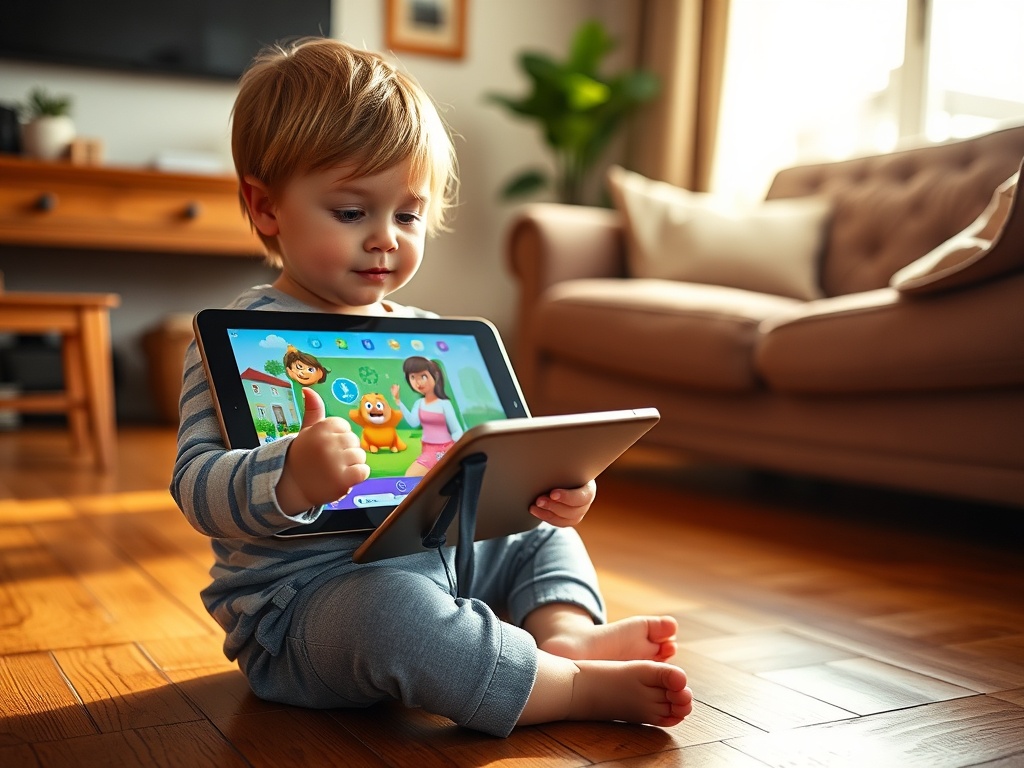
On April 6, 2026, Netflix launched an independent mobile app called Netflix Playground in six markets —the United States, Canada, the United Kingdom, Australia, the Philippines, and New Zealand. The app is ad-free, has no in-app purchases, and comes at no extra cost. It offers offline games featuring characters such as Peppa Pig, Dr. Seuss’s Donald Duck, and Sesame Street’s Muppets, all aimed at children under eight years old. The official narrative describes it as "a space where parents know their children are entertained, engaged, and enriched." That sounds great in a press release. What resonates better in a board meeting is this: households with children cancel their subscriptions at a rate 20 to 30 percent lower than the rest.
That’s the crucial statistic. The rest is marketing.
The Retention Architecture Behind the Game
In 2025, Netflix generated $39 billion in revenue, with an annual growth rate of 15 percent. While that figure is impressive, it conceals a reality that industry analysts have been highlighting for months: gaming as a service category still represents less than 5 percent of the total engagement on the platform. In other words, Netflix has been building a gaming division for five years that is yet to visibly shift the needle.
So, what’s the financial purpose of Playground? To reduce friction in the highest lifetime value segment: families with young children. When a five-year-old develops a gaming habit with Peppa Pig on the Netflix app, the parent considering canceling the subscription faces an uncomfortable conversation in the backseat of the car. This is no minor emotional benefit: it’s a retention mechanism with direct mathematical consequences.
Emarketer analyst Ross Benes phrased it succinctly: the app makes Netflix stickier for households with children, precisely where Disney+ has held a structural advantage since its launch in 2019. If Netflix can retain even one or two additional percentage points of its family subscribers in a quarter, and those households represent about 25 percent of its 270 million paid memberships, the arithmetic results in more than $500 million in preserved annual revenue. That's not pocket change. It funds the development of ten AAA titles or the licensing of three additional franchises.
The choice to offer it at no extra cost is also not corporate generosity; it is a calculated reduction in adoption friction. Any additional price, however small, would create a decision point where the parent weighs the value. By eliminating that, Netflix turns the adoption of Playground into passive behavior. It’s not purchased; it’s downloaded. It’s not evaluated; it’s used. The perceived certainty that "this was already included" disarms the consumer’s rational filter before it even kicks in.
The Problem That Gaming Alone Can't Solve
There is a structural tension in this strategy that warrants articulation without softening it. Netflix is building retention value on intellectual property it doesn’t own. Peppa Pig belongs to Entertainment One, part of Hasbro. Sesame Street has its own licensing complexities. Dr. Seuss Enterprises is a separate entity with its own interests. Each agreement has an expiration date, renewal clauses, and increasing bargaining power as Netflix demonstrates that these IPs drive retention.
Disney does not face this problem. Neither does Warner Bros. Discovery, to the same degree. Both companies own the characters that their children's audiences love. Netflix, with its acquisitions —like the Roald Dahl rights in 2022— has attempted to bridge that gap, but the distance remains notable. When an analyst points out that Netflix has a "relatively limited intellectual property portfolio" compared to its competitors, he’s not speaking of a brand weakness: he’s describing a concentration risk in licensing contracts that eventually translates into bargaining power ceded to third parties.
The short-term success of Playground could paradoxically raise its ongoing costs. If in Q2 2026 Netflix reports that households using the app show significantly higher retention rates, that information will reach the IP holders’ ears as contracts come up for renewal. The value that Netflix captures today through those licenses becomes the bargaining argument for those partners tomorrow.
The Only Way This Move Makes Long-Term Sense
For Playground to be more than a defensive retention measure —that is, to become a genuine growth vector— Netflix needs to solve an equation that no licensing strategy can resolve independently: it needs its own characters that eight-year-olds in 2026 will carry with them into adulthood.
Roblox has 80 million daily child users. YouTube Kids operates in ad-supported free mode. The advantage of Netflix Playground over both is clear and defensible today: complete absence of advertisements, offline playability, and a robust parental control environment. This is a strong value proposition in markets where mobile data costs constrain continuous connectivity, which is precisely why the Philippines is in the initial launch and Europe and Asia-Pacific are set to follow in late April.
But that advantage is structural, not narrative. Kids do not choose apps because they have fewer ads. Kids choose apps because the characters matter to them. And for a character to matter globally in the children’s category, years of consistent investment in animation, merchandising licensing, physical shelf presence, and, increasingly, integrated gaming experiences are needed. Netflix has been too long thinking of gaming as a retention function instead of treating it as an independent creative studio with its own intellectual property mandate.
The global launch scheduled for late April and the earnings reports for the first quarter will be the first real thermometer. If Playground’s engagement numbers appear as a positive variable in Netflix's retention narrative to its investors, the bet will have achieved its tactical purpose. If they don’t, or if global expansion reveals adoption friction in markets with different cultural dynamics, the conversation about whether Netflix should have invested those resources in developing its own IPs will return with renewed vigor.
What Netflix demonstrated with Playground is a precise understanding of how to reduce friction at the exact moment when a household with children is considering canceling: putting a Peppa Pig game on the child’s device before the parent hits the "cancel subscription" screen. That’s commercial design, not philanthropy. The limit of this strategy is that it works as long as the characters belong to others. The business that Netflix needs to build is one that eliminates that dependency, develops long-term certainty in its own children’s franchises, and turns today’s defensive retention into a competitive advantage that no licensing contract can erode.