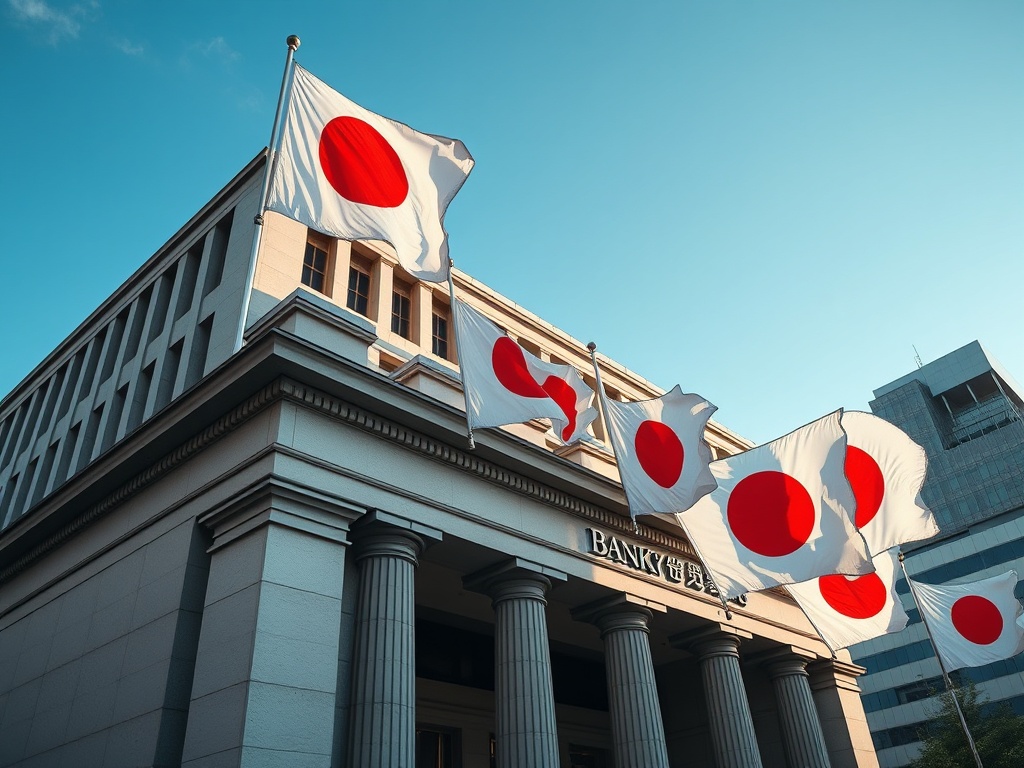

Japan and Leadership in Monetary Policy: A Strategic Analysis
Recent nominations to the Bank of Japan (BOJ) exemplify how leadership can shape the economic direction of a nation. The appointment of Toichiro Asada and Ayano Sato to the BOJ's monetary policy committee comes at a crucial moment for the Japanese economy, which is transitioning from a prolonged stimulus framework to a gradual adjustment cycle.
Changes in the BOJ: What It Means for Economic Strategy
The Japanese government has proposed Toichiro Asada, an emeritus professor at Chuo University, and Ayano Sato, a law professor at Aoyama Gakuin University, as new members of the BOJ committee. These nominations, which still require parliamentary approval, could significantly impact the trajectory of the country’s interest rates.
The composition of the committee is key to future strategy, especially in a context where the BOJ has begun to raise interest rates, currently reaching 0.75%. This policy shift reflects a move towards monetary normalization in response to an inflation rate remaining above the 2% target. However, the real question is how these new appointments will influence the balance between exploiting the current model and exploring new strategies.
The Tension Between Exploitation and Exploration
In the business realm, one of the greatest challenges is balancing the exploitation of the current business model with the exploration of new opportunities. This principle applies equally to monetary policy. BOJ decisions must not only ensure the stability of the current economy but also lay groundwork for sustainable long-term growth.
The leadership of Sanae Takaichi as Prime Minister presents a unique opportunity to adjust this balance. With additional vacancies anticipated next year, Takaichi has the chance to significantly influence the future direction of the BOJ. The key will be to avoid falling into the trap of over-exploiting current policies without leaving room for innovation and adaptation.
Power Dynamics and Governance
The influence of internal power dynamics within the BOJ is a critical factor. The departure of Asahi Noguchi, known for his reflationary approach, alongside the upcoming retirement of Junko Nakagawa, opens space for new voices within the committee. The question remains whether these new voices will promote a balanced approach or lean towards one of two extreme directions: a more aggressive tightening or a return to looser policies.
Effective governance requires a balance among different perspectives, and the current nominations seem to pursue this aim. However, the real test will be how these changes translate into practical policy decisions that affect the real economy.
Viability and Future of Japanese Monetary Policy
The viability of the BOJ's strategy will hinge on its ability to adapt to changing global and local economic conditions. The stability of the yen and responses from international markets will be key indicators of the success of these policies.
Ultimately, leadership at the BOJ must focus on crafting policies that not only secure current profitability but also foster the exploration of new solutions to future challenges. Japan's ability to balance these two aspects will determine its economic standing in the years to come.
The strategic direction of the BOJ under Takaichi's leadership, alongside the new committee appointments, will be crucial in maintaining this balance. The ability to effectively manage the transition towards tighter monetary policies without sacrificing innovation and future growth will be the true indicator of success.