
The Number That Changes Everything
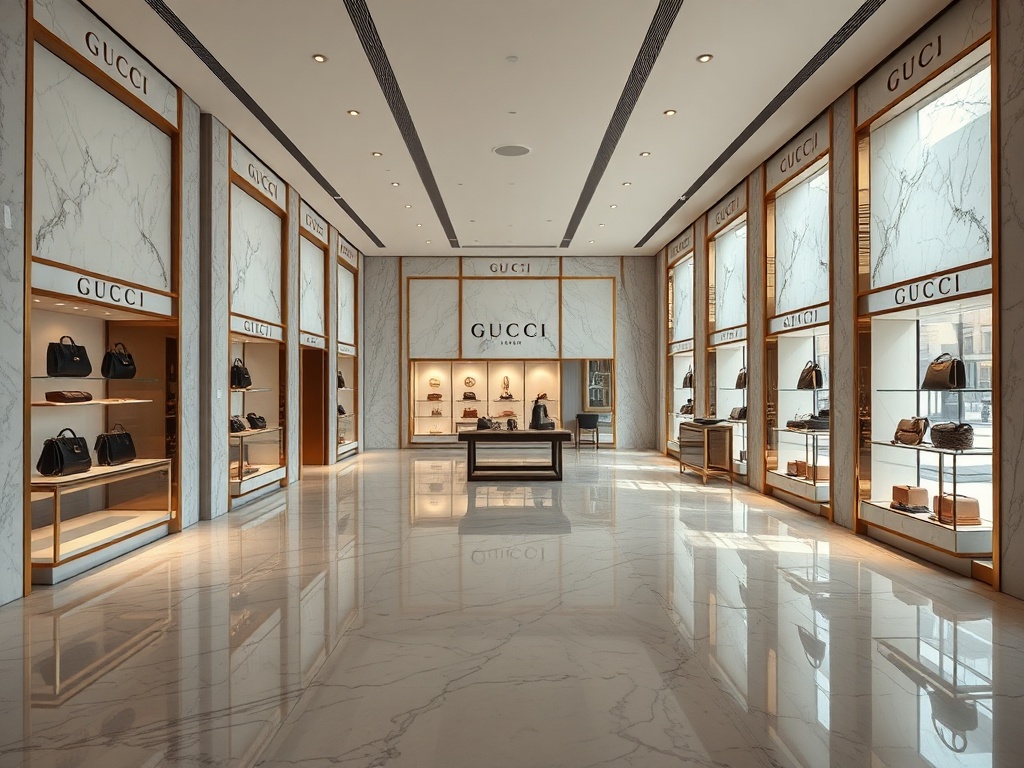
Kering reported on April 14, 2026, that Gucci experienced an 8 percent decline in organic sales during the first quarter. Analysts had anticipated a contraction of 4.7 percent. This difference of over three percentage points is not mere statistical noise; it signals that the pace of deterioration exceeds the forecasts, indicating deeper issues.
Market reaction was swift. Kering's shares dropped by 6 percent following the announcement. However, on the same day, the stock rebounded nearly 3 percent, buoyed by expectations of de-escalation in the Middle East conflict. In other words, the market is betting that part of the issue is temporary and external. This bet may be correct, or it may be masking a more profound structural problem.
The arithmetic is straightforward and brutally clear: Gucci accounts for approximately 60 percent of the group's profits. When this brand sees double-digit declines for two consecutive years, the question is not whether Kering has a problem; it’s how much financial capacity remains to fund a recovery before investors lose patience.
What Overall Revenue Hides
Kering reported consolidated revenues of €3.57 billion for the quarter, a number that, when viewed in isolation, seems relatively stable compared to the previous year. However, this figure includes the performance of smaller brands, distorting the overall picture. The number of owned stores fell by 2 percent, and sales in the Middle East plummeted by 11 percent, adversely affecting the group’s total growth by about one percentage point.
The impact from the Middle East is significant yet manageable: the region represents about 5 percent of the group’s retail revenue and houses 79 stores. CFO Armelle Poulou confirmed that operations in that region are already back to normal, suggesting that the effects should lessen in upcoming quarters if geopolitical tensions do not escalate. This is the baseline scenario the market seems to be pricing in.
China tells a different story. The group's sales in that market fell by a mid-double-digit percentage in the first quarter. Unlike the situation in the Middle East, there is no external geopolitical catalyst to explain this deterioration as temporary. Kering is investing in store renovations and brand reinvigoration in the country, indicating that the company recognizes it has lost market position due to organic factors, not circumstantial ones. Regaining brand perception in China—a maturing market where luxury consumers are increasingly selective—won’t be resolved in quarters; it will take years.
Luca de Meo's Operational Bet
CEO Luca de Meo joined Kering in September 2025 from Renault, an automotive company. This background is noteworthy: Kering’s board consciously chose someone with an operational efficiency and cost restructuring profile over someone with luxury fashion expertise. The signal was clear from the start: the group needed financial discipline before creative vision.
In his early months, de Meo executed two concrete moves. First, he sold the beauty division to L'Oréal for €4 billion in January 2026, a divestment that reduced debt and refocused the balance sheet on core luxury brands. Second, he appointed a new creative leadership team at Gucci: Francesca Bellettini as CEO of the brand and designer Demna—formerly of Balenciaga—as creative director, with his first collection debuting in Milan in February 2026 and available for purchase immediately after the show.
This last move holds the most interesting tension from an operational perspective. The decision to shorten the timeline between collection launch and in-store availability directly responds to critiques aimed at traditional luxury brands for operating on schedules that do not meet current demand. However, Demna’s collection debuted in February, and the first quarter figures do not yet reflect its impact, as purchasing cycles and inventory flows operate on their own timelines. The Capital Markets Day scheduled for April 16 in Florence will be the first venue where de Meo must present concrete metrics of his plan, not just a narrative of transformation.
As RBC analysts have precisely pointed out, for the investment thesis on Kering to change, the market requires evidence of a renewed demand for Gucci, not just confirmation that the company is holding its objectives despite headwinds. Reiterating targets while underlying numbers deteriorate beyond consensus is not a sign of stabilization; it is a deferral of accountability.
What LVMH Reveals About the Sector
A day before Kering released its results, LVMH—the world's largest luxury conglomerate—also reported sales declines. This sector context matters and deserves careful reading, but it cannot be used to cover up Kering's specific issues.
The comparison of stock performance starkly illustrates this: Kering's shares have fallen by 7 percent in 2026, while LVMH’s have dropped by 25 percent in the same period. This indicates that, despite Kering’s poor performance, the market assigns it relatively better recovery prospects than the sector leader. This recovery premium granted to Kering is what de Meo is managing, and it is fragile.
The structural differences between the two companies are also relevant: LVMH operates with a far more diversified portfolio—wines, hotels, jewelry, cosmetics—which cushions exposure to any single brand. Kering’s dependence on Gucci has no equivalent in its main competitor. This concentration represents the risk factor that does not disappear with a new collection or a presentation in Florence.
Brand Concentration is a Risk That Balance Sheets Cannot Diversify
Kering’s operational diagnosis can be summarized in a single mechanism: a revenue model where 60 percent of profits depend on a brand that has been contracting at a double-digit rate for two years has no room for slow execution. The sale of the beauty division generated liquidity and reduced debt but also eliminated an alternative revenue stream. The balance sheet is cleaner yet more exposed.
De Meo has the right tools on the table: new creative direction, cost discipline, focus on core brands, and a strategic presentation event where he must convert narrative into measurable commitments. What the first quarter of 2026 confirms is that the margin for error has diminished, and the next two quarters will be crucial to determine whether Gucci's contraction cycle has hit bottom or if the demand deterioration has deeper roots that a creative directional change cannot reverse in the short term.