
Microsoft and the Data Storage Revolution
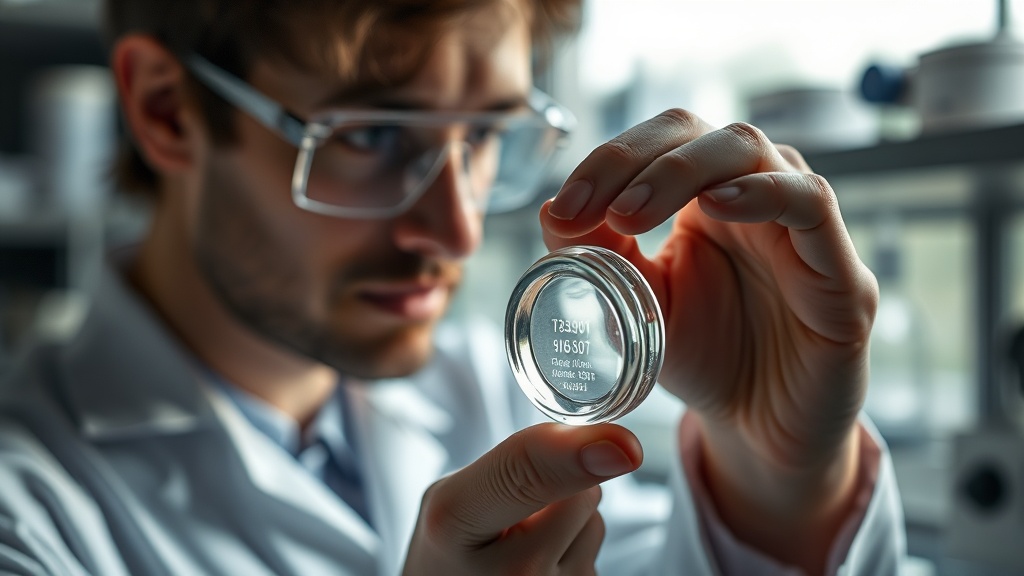
Today's news marks a milestone in digital data preservation. Microsoft has announced a significant breakthrough with Project Silica, an initiative that uses lasers to encode information in glass. This development could ensure data preservation for up to 10,000 years, a monumental leap compared to current storage capabilities.
Context and Necessity
The exponential growth of digital information has created an urgent need for more durable and sustainable storage solutions. Traditional technologies, such as hard drives or cloud servers, face long-term wear issues and are subject to risks like technological obsolescence.
This is where Project Silica brings a paradigm shift. By using glass, an inert material, a longevity in storage is achieved that seemed unreachable until now. This advancement not only suggests a safer future for information but also offers an environmental sustainability perspective by reducing the need for resource-intensive storage infrastructures.
The Innovative Approach of Project Silica
The key here is the laser encoding technique. Microsoft has succeeded in using this technology to engrave data into quartz glass. Glass proves to be an ideal storage medium as it is resistant to external factors like heat and water, allowing for unaltered preservation.
One of the most noteworthy proof-of-concepts was storing the classic film "Superman" in a small piece of glass, demonstrating the ability not only to store large amounts of information but also to do so compactly and reliably.
Strategic Implications for the Future
From a corporate innovation perspective, Project Silica exemplifies how technology can transform entire sectors through radically simple and efficient solutions. Microsoft's focus is not solely on technological capacity but on a pragmatic approach to a fundamental problem of the digital age.
Are we witnessing the end of storage obsolescence? While current methods require ongoing investments and maintenance responsibilities, glass storage offers an almost foolproof solution for important historical records like governmental documents, ancestral photos, or scientific discoveries.
Strategic Reflections
The essential question is whether companies will continue to invest in technologies that embrace continuity and durability. The case of Project Silica invites reflection on the growing trend to prioritize sustainability and the long term over temporary solutions and rapid obsolescence.
What other industries could benefit from this approach? From music and film to historical archives and critical data, the potential to adopt this technology is immense.
Corporate Learning
The message for business leaders is clear: innovation does not always require completely new technology. Sometimes, it involves applying ingenious approaches to existing resources, like glass. This development highlights the importance of combining invention with adaptability, ensuring that the final product is not only innovative but also marketable and relevant.
In summary, Microsoft and Project Silica not only showcase an impressive technical advancement but also remind us of the critical importance of evolving with a sustainable and realistic approach. In a constantly changing world, those companies that can pivot and adapt their strategies to new needs will be the ones setting the future technological course.