
AudioBo and the Quiet Business of Selling to the Long-Term Fan
There’s a certain type of user that product teams often overlook in their early rounds of research: the long-term obsessive. Not the early adopter who tries everything and moves on, but the one who has spent decades building a habit, accumulating a library, and refining a workflow. That user has already paid their dues. They know exactly what they want. And when a tool arises that perfectly addresses their specific pain point, they don’t need a salesperson to convince them.
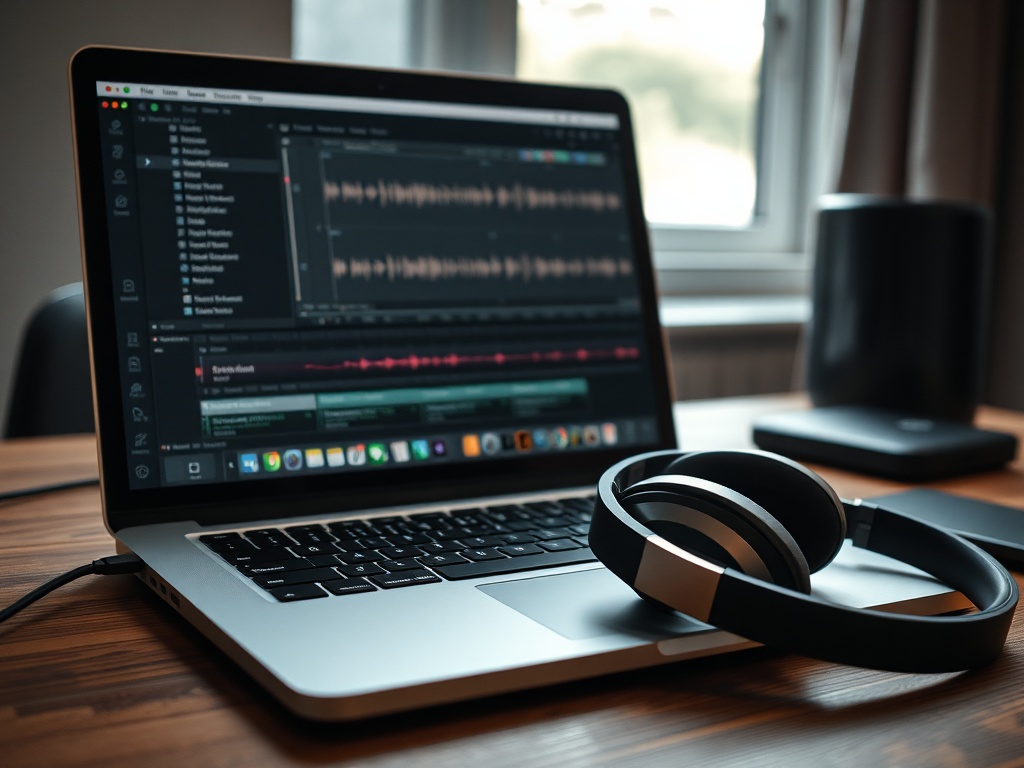
AudioBo, a macOS application that streamlines the conversion of loose audio files into M4B files (the standard audiobooks format), is aimed squarely at that profile. The story behind its use case reveals a business architecture that deserves more attention than it typically receives.
The Problem No One Had Cleanly Solved
For years, audiobooks enthusiasts who wanted to manage their own libraries—buying cheap CDs on Amazon, downloading loose files, or digitizing physical collections—had to rely on technically complex workflows. Combining multiple MP3 files into a single, correctly tagged M4B with embedded cover art and clean metadata required command-line tools, Python scripts, or audio editing software that wasn't designed for that purpose. The result was a process that filtered out all but the most determined.
That is a market signal, not a minor detail. When a segment of users has built homemade solutions for a specific problem over years, there’s unmet demand with a real willingness to pay. AudioBo enters that space with an interface that eliminates technical friction and transforms a multi-step process into something manageable for someone who doesn’t write code.
What the application does isn’t new in terms of technical capability: audio format conversion has existed for decades. The difference isn’t the underlying technology, but the reduction of the learning cost for a specific user. That’s harder to build than it seems because it requires a precise understanding of which steps in the current workflow lead to drop-offs.
The question I would ask the AudioBo team isn’t about their features, but how they arrived at that specific list of design decisions. If they set out to observe how real users tried to do this process today—with what tools, where they got stuck, what they searched for on YouTube—then they have a defensible asset. If they built from internal logic of what seemed reasonable, they have work to do.
The Economics of Serving a User Who Has Already Paid for Their Education
The user profile described by AudioBo’s use case—someone with an Audible subscription since 2008, with a Plex server at home, using the Prologue app for playback—is not an average user. It’s a user with high technical tolerance, a strong identity as an audiobook consumer, and a proven willingness to invest in their listening experience. This combination is extraordinarily valuable from a product economics standpoint.
This segment doesn’t need to be educated on why audiobooks matter. They don’t need an explanation of what an M4B is. They already have the problem precisely formulated and have been looking for the correct solution for some time. The acquisition cost to reach this user is low if the channels are right: Reddit communities dedicated to personal media management, Plex user forums, spaces where enthusiasts are already discussing these workflows.
At its core, what AudioBo is selling isn’t format conversion. It’s selling time recovery for someone who has already invested in a personal listening infrastructure. That has a defendable price point. A user who spent hours building their Plex server and chose Prologue as their interface values their setup time. A tool that compresses that hours-long process into minutes can justify that convenience, and the user will immediately understand its value.
The risk with this kind of product is underestimating that value and positioning it too cheaply out of fear of resistance, when the target segment has precisely the profile that exhibits the least price sensitivity within the utility software market.
What AudioBo Teaches Any Team Building for Technical Niches
The case of AudioBo serves as a useful contrast to the prevailing trend in product development: building for the mass market, simplifying to the lowest common denominator, and scaling by volume. That logic makes sense in certain contexts, but leaves entire niches inadequately served, precisely those that have users with greater loyalty and lower price sensitivity.
A well-served technical niche can sustain a profitable business with a small user base. AudioBo doesn’t need millions of downloads to be a healthy business. It needs the right users to find it, use it, and recommend it within their communities. Organic distribution in spaces like the Plex user forums or audiobook enthusiast communities on Reddit can generate a conversion rate that would make any paid acquisition campaign blush.
But that only works if the product does exactly what those users expect, without unexpected friction, without unjustified learning curves, and without decorative features that complicate the core flow. A frequent mistake in this type of tool is the premature expansion of features to appear more complete, sacrificing the precision that makes the original user trust it.
The distribution model in the Mac App Store adds another layer of analysis. Apple takes its cut, but provides credibility, visibility in searches within the store, and a frictionless purchasing process for users who already have their payment method registered. For a technical niche product on macOS, that channel makes clear sense: the target user already lives in that ecosystem, already trusts it, and already has the habit of looking for utilities there.
What this case demonstrates, more than any theoretical framework, is that sustainable growth in utility software doesn't come from convincing people they have a problem, but from surgically appearing before those who have been searching for the correct solution for years. Building from that clarity, validating the price with real users before finalizing the commercial architecture, and resisting the temptation to expand the product before mastering the central use case: that's the only business plan that doesn't expire at the first contact with the market.